

For far too long, the African Nova Scotian story has been marginalized, misunderstood, or told through unfamiliar lenses, often stripped of its depth, dignity, and rightful place in Canada’s historical narrative. Yet this story is not peripheral to Nova Scotia’s identity; it is central to it. It is foundational. It is a living history.
Telling the African Nova Scotian story is not merely an act of remembrance; it is an act of justice, recognition, cultural preservation, and restoration. It is a deliberate effort to reclaim narrative ownership, honour ancestral resilience, and ensure that generations to come understand the full truth of who we are as a province and as a people. It is about truth-telling in its most courageous form.
The African Nova Scotian story is one of endurance, faith, resistance, brilliance, creativity, leadership, and unbreakable community spirit. It stretches back over 400 years, beginning with the arrival of enslaved Africans and Black Loyalists, and continuing through generations who built families, institutions, advocacy movements, businesses, and cultural legacies despite persistent systemic barriers.
To tell this story fully is to confront history honestly, celebrate resilience unapologetically, and preserve cultural memory with intention.
The Power of Narrative Ownership
The program kicked off when a community tells its own stories; it reshapes how it is seen, valued, and understood. For African Nova Scotians, storytelling is not just about recounting the past; it is about affirming identity, restoring agency, and redefining legacy. For too long, narratives have been shaped by external perspectives that failed to capture the fullness of lived experiences. This external framing often reduced complex histories into simplified versions of struggle, pain, or resistance, overlooking joy, excellence, leadership, and cultural depth.
Narrative ownership returns power to the people whose lives and histories are being documented. It allows African Nova Scotians to define their reality in their own words, through their own lens, and with their own voice. It ensures dignity, authenticity, and truth.
This is why intentional storytelling matters. It moves us from silence to visibility, from invisibility to recognition, from erasure to legacy, and from distortion to truth.
Preserving a History That Shaped Nova Scotia
African Nova Scotian communities have shaped the cultural, social, political, and spiritual foundation of this province. From the resilience of Africville to the legacy of North Preston, from the strength of historic Black churches to the contributions of educators, entrepreneurs, artists, and activists, these stories reflect both struggle and triumph.
They speak of communities building schools when they were denied access. Of families preserving land when displacement threatened their existence. Of leaders organizing against injustice when silence was expected. Of cultural traditions passed down through song, food, faith, language, and community gatherings, of intergenerational wisdom that sustained communities even in the face of systemic exclusion.
Yet much of this history has lived in oral tradition, family memory, and undocumented spaces. Without intentional preservation, invaluable wisdom risks being lost to time. Elders pass away, stories fade, photographs disappear, and histories risk becoming fragmented.
Storytelling becomes preservation. It transforms memory into archive and experience into heritage — ensuring that histories rooted in pain, power, love, resistance, and endurance are not forgotten, but honoured and protected.
Healing Through Truth and Visibility
There is healing in being seen. There is healing in truth. There is healing in recognition.
When African Nova Scotian stories are told authentically, they validate lived experiences, acknowledge systemic injustices, and open space for dialogue, reconciliation, and collective healing. They challenge dominant narratives that have long excluded Black voices while offering a fuller, more honest picture of Nova Scotia’s past and present.
This storytelling is not about reopening wounds; it is about naming them so healing can truly begin. It is about honouring pain without allowing pain to define the entirety of a people’s identity. It is about celebrating resilience without romanticizing struggle.
Through storytelling, communities reclaim emotional, cultural, and historical dignity. They validate lived realities and create affirmation for those who have long felt unseen.
Educating the Present, Empowering the Future
Every story told becomes a lesson. A guide. A mirror. A blueprint.
For young African Nova Scotians, these narratives represent identity, pride, belonging, and possibility. They see reflections of themselves in leaders, thinkers, scholars, entrepreneurs, artists, and advocates who came before them. They learn that their roots are strong, their presence is powerful, and their future is limitless.
For wider communities, these stories foster empathy, awareness, and understanding. They dismantle stereotypes, challenge ignorance, and cultivate cultural intelligence. They provide critical context to conversations around equity, inclusion, racial justice, and representation.
Storytelling becomes a bridge between generations, transferring knowledge, wisdom, identity, and pride from elders to youth. It ensures that the future is informed by the lessons of the past and inspired by the resilience of those who paved the way.
Bridging Communities and Building Collective Understanding
As Nova Scotia grows increasingly diverse, understanding becomes essential. The African Nova Scotian story provides critical context not only for historical understanding, but for contemporary belonging. It offers insight into the lived realities of long-established Black communities while creating pathways for immigrant communities navigating their own journeys of identity, settlement, and cultural integration.
Through shared storytelling, empathy grows. Solidarity strengthens. A sense of mutual respect and collective purpose emerges. Communities move from separation to connectedness, from misunderstanding to allyship, and from division to shared vision.
This is how storytelling becomes community-building, reconciliation-building, and nation-building.
Celebrating Diversity Within Black Identity
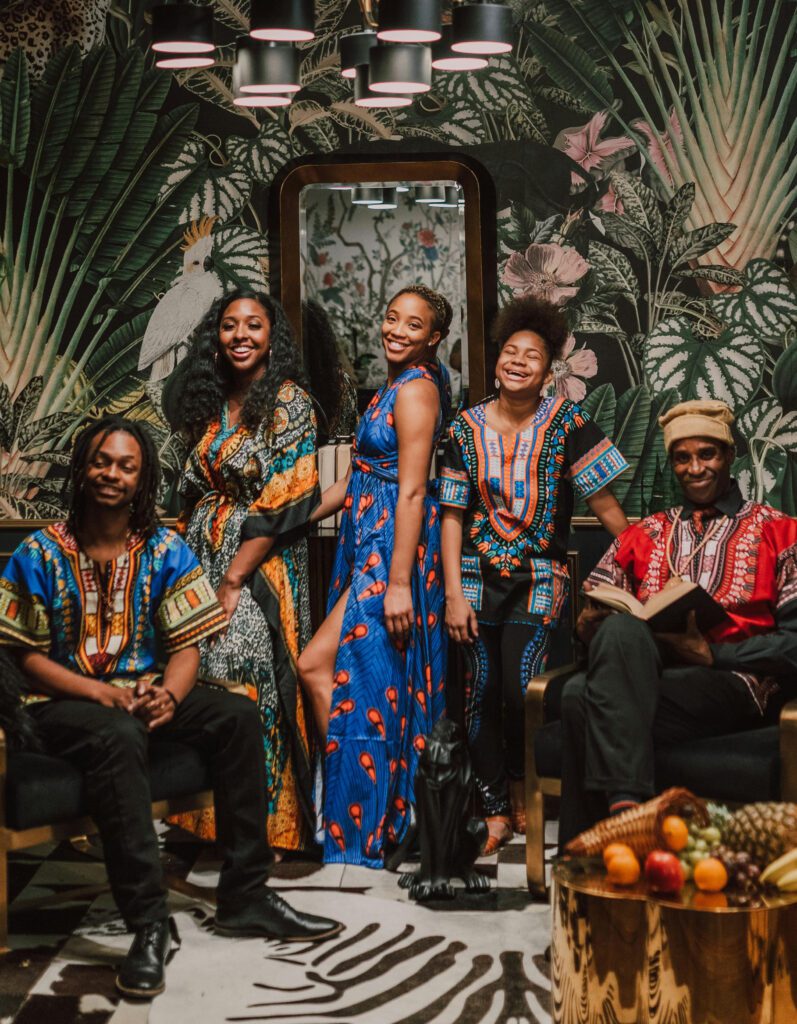
Equally important is recognizing the diversity within African Nova Scotian experiences. The narrative is not singular. It is layered, complex, and multifaceted, shaped by geography, lineage, spirituality, socioeconomic realities, generational perspectives, and lived experience.
From rural communities to urban centres, from elders to youth, from faith leaders to artists, scholars to grassroots organizers, each voice adds a unique texture to the broader narrative. This diversity within diversity must be honoured to avoid erasure and oversimplification.
Telling these stories reinforces the truth that Black identity in Nova Scotia is not uniform, but beautifully diverse, dynamic, and evolving.
Storytelling as Cultural Stewardship
To tell the African Nova Scotian story is to become a steward of culture, memory, and history. It is an act of leadership and responsibility that ensures future generations are never disconnected from their roots.
It is a responsibility to:
- Honour ancestors whose lives laid the foundation
- Amplify present voices shaping the community today
- Protect future generations from historical invisibility
- Preserve heritage with dignity, truth, and accuracy
This is cultural stewardship. This is narrative justice. This is leadership in action.
A Call to Action for Collective Responsibility
Telling the African Nova Scotian story cannot rest on any one institution, initiative, or platform alone. It requires collective commitment from media, educational institutions, governments, funders, communities, and individuals. It requires collaboration, resources, and long-term dedication.
Storytelling must be seen as essential to equity, representation, and cultural preservation — not a side initiative, but a core responsibility of a socially just society.
The Role of My Halifax Experience Magazine
Through My Halifax Experience Magazine, we commit to centering, elevating, and protecting these narratives with authenticity and respect. We commit to creating space for stories that honour lived experiences, celebrate resilience, and preserve cultural identity.
This work is not about visibility alone; it is about legacy. It is about ensuring that the African Nova Scotian story is permanently documented, celebrated, and woven into the fabric of our province’s identity.
Because when the stories of African Nova Scotians are told, we strengthen understanding, deepen empathy, and reinforce the truth that our collective history is richer, stronger, and more complete because of them.
Honouring the Past, Uplifting the Present, Shaping the Future
To tell this story is to honour elders, empower youth, and acknowledge the shoulders upon which we stand. It is to recognize that African Nova Scotian communities have not only survived, but they have thrived, created, led, and transformed Nova Scotia in profound and lasting ways.
And when these stories are told with truth and care, they do more than inform; they inspire, educate, heal, and transform.
Because when we honour the stories of African Nova Scotians, we honour the very soul of Nova Scotia.